

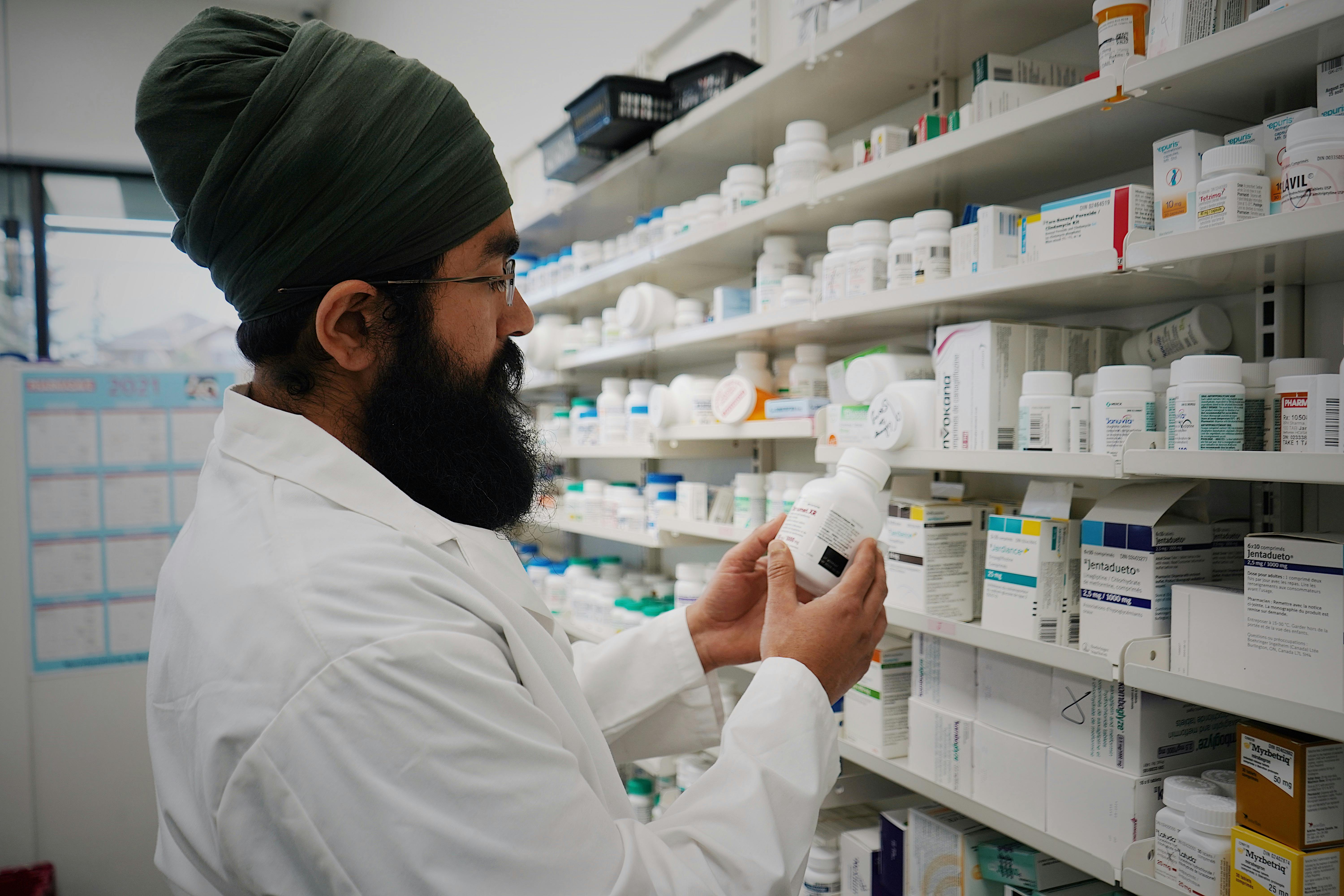
Nearly 3 in 10 American adults report skipping medications because they cost too much.
When people try to explain high drug prices, they usually point to controversial topics like insurance coverage, healthcare administration, and drug patents.
But there's one, mostly invisible factor increasing the costs of drugs that is completely in the patient's best interest: pharmaceutical quality control.
Understanding how quality control works won't make your copay disappear. But it explains why even the cheapest medications carry a price floor that surprises many consumers, and why that floor exists for good reason.
What Goes Into Medication Safety
When a pharmaceutical manufacturer produces a batch of medication, the finished pill or liquid is only the final step in a long, heavily documented process.
Before a product ships, it needs to pass a series of tests. Manufacturers check:
-
potency: is the active ingredient at the right strength?
-
purity: are there any unwanted chemical substances?
-
sterility: are the injectables and liquids free of living organisms?
-
dissolution rate: does the pill break down in your body correctly?
-
packaging integrity: is the drug protected from outside contamination?
A single batch may require hundreds of individual tests before it gets cleared for release. That process can take days or even weeks, and every hour of delay costs money.
At the center of this process is something called a Quality Management System, or QMS. A QMS works like the operating system that runs every quality-related function inside a pharmaceutical company. It connects policies, procedures, and responsibilities into one compliance framework that touches every part of the operation, from how documents are stored and updated, to how employee training is tracked, to how the company responds when something goes wrong.
Several key regulatory bodies make sure that companies follow regulatory laws related to quality. The Food and Drug Administration sets and enforces current Good Manufacturing Practice standards, known as cGMPs, which define the minimum requirements for methods, facilities, and controls used in drug manufacturing.
The U.S. Pharmacopeia, a nonprofit standards organization, establishes the specific quality benchmarks drugs must meet. Together, these frameworks create the rules manufacturers must follow, and following them is not optional.
Why Compliance Costs So Much
Building a quality control infrastructure is a major financial investment for any pharmaceutical manufacturer. Producing medications that meet FDA standards requires specialized cleanroom environments, validated laboratory equipment, and software systems that regulators review themselves. T
The scientists, chemists, microbiologists, and pharmacists who staff quality control departments earn skilled-labor salaries. Unlike many industries where a quality failure means quietly scrapping a product, in pharmaceuticals every deviation from standard must be documented, investigated, and corrected through a formal procedure.
Regulatory fees add more to the bill. The FDA charges manufacturers fees under programs like the Generic Drug User Fee Amendments, known as GDUFA, which help fund the agency's review and inspection work.
Facility registration, product application fees, and the cost of preparing for FDA inspections all add up. When inspectors identify problems, documented in what's called a Form 483 observation, manufacturers must develop detailed corrective action plans that can cost millions of dollars and take years to complete.
This requirements apply to international companies that want to see in the US as well.
A significant share of the active pharmaceutical ingredients in American generic drugs are produced overseas, mostly in India and China. Those facilities must still meet U.S. regulatory standards to sell into the American market, and the cost of meeting those standards is built into the price of the products they ship.
This creates what might be called the generic drug paradox. Generics are much cheaper than brand-name drugs, often 80 to 85 percent less, but they are not cheap to make. The quality control requirements for a generic are nearly identical to those for the original brand-name product. That compliance cost creates a floor beneath which generic prices cannot sustainably fall, no matter how competitive the market becomes.
Quality Costs From Factory to Pharmacy
The pharmaceutical supply chain has multiple layers, and each one carries its own quality obligations.
Wholesale distributors, who act as middlemen between manufacturers and pharmacies, must maintain specific storage conditions for the products they handle, including temperature, humidity, and light exposure.
Medications that require refrigeration or freezing demand expensive cold chain logistics.
Under the Drug Supply Chain Security Act, passed by Congress in 2013 and now fully in effect, every prescription drug package must carry a unique serial number that can be tracked at every step of the supply chain. Complying with that law has added costs across the entire distribution network.
Repackaging facilities, which break down bulk shipments into smaller quantities for distribution, face their own layer of FDA oversight. By the time a medication reaches your local pharmacy, it has passed through multiple hands, and each stop added a compliance cost that shows up in the final price.
Quality control continues at the pharmacy itself. Pharmacists must check expiration dates and maintain proper storage conditions. Those who operate compounding pharmacies, where medications are prepared individually for specific patients, must follow a separate and particularly strict set of FDA regulations.
Compounded medications often cost significantly more than commercially manufactured versions, largely because the quality assurance process is customized and labor-intensive for every single prescription.
What Happens When Quality Control Fails
The cost of pharmaceutical quality control becomes easiest to see when the system breaks down.
In 2018, a manufacturing quality failure led to the discovery that several widely prescribed blood pressure medications, including versions of valsartan, were contaminated with NDMA, a probable human carcinogen. The recall affected millions of patients across a dozen manufacturers. Supply disruptions followed, prices rose on remaining inventory, and the FDA spent years working through the fallout. The human and financial cost of that single quality failure far exceeded whatever savings might have come from cutting corners on testing.
Drug shortages, which have become more common in the United States, are frequently triggered by manufacturing shutdowns after quality control failures. When a facility fails an FDA inspection and must stop production, the medications it supplies become scarce. Scarcity drives up cost and limits patient access.
Some of the most critical medications in American hospitals, including certain cancer drugs and anesthetics, have been caught in shortage-driven price spikes rooted in manufacturing quality problems.
The math here is uncomfortable but clear. Maintaining pharmaceutical quality control requires significant investment, but failing to maintain it costs more, measured in both dollars and patient harm.
What You Can Do With This Information
Knowing how quality control shapes drug prices can make you a more informed consumer and patient.
Not all generics are created equal. While all FDA-approved generics must meet the same standards, different companies with different quality track records manufacture them.
Your pharmacist can often tell you which manufacturer produced the generic you've been given. The FDA's website also has a publicly searchable database of drug recalls and manufacturer warning letters.
If you're facing a drug shortage or a sudden price increase, the FDA maintains an active drug shortage database at fda.gov. That resource can help you understand what's happening so you can discuss alternatives with your doctor or pharmacist.
Use caution with medications purchased outside the standard U.S. supply chain, including through some online pharmacies. Medications that haven't passed through FDA-regulated channels have not been subject to the quality controls described here, and the lower price may carry serious risks.
There is also an active policy conversation worth following. Congress and health economists are debating how to reduce drug costs while keeping safety standards strong. Proposals around manufacturing transparency, domestic production incentives, and supply chain resilience all connect directly to the quality control cost structure described in this piece.
Understanding what actually drives prices makes it easier to evaluate those proposals.
For policymakers, manufacturers, and patients, the challenge is figuring out how to keep that system strong while making it more affordable for the people who depend on it most.
